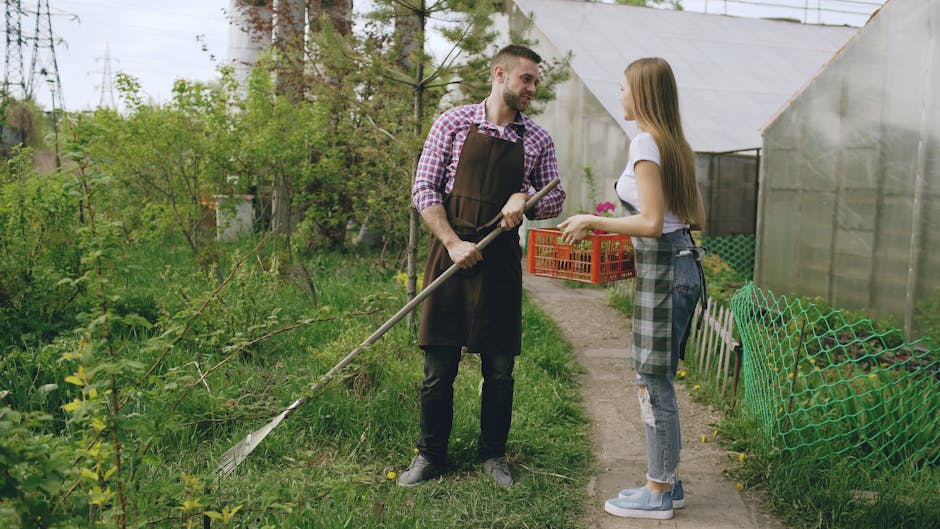
Common problems when hiring Osterley gardeners last minute
If you have ever looked out at an overgrown lawn on a Friday afternoon and thought, "Right, this needs sorting now," you are not alone. Hiring gardeners in a hurry sounds simple enough, but the reality is often messier. The most common problems when hiring Osterley gardeners last minute include poor availability, rushed quotes, unclear scope, and results that do not quite match expectations. This guide breaks down what usually goes wrong, why it happens, and how to avoid the usual pitfalls without adding more stress to your day.
Whether you need a quick tidy-up before visitors arrive, help after a storm, or a fast turnaround for a tenancy changeover, last-minute booking can work well if you know what to check. The trick is to move quickly without becoming careless. Let's face it, that balance is where most people slip.
Table of Contents
- Why last-minute garden hiring matters
- How last-minute garden bookings usually work
- Key benefits and practical advantages
- Who this is for and when it makes sense
- Step-by-step guidance
- Expert tips for better results
- Common mistakes to avoid
- Tools, resources and recommendations
- Law, compliance, standards and best practice
- Options and comparison table
- Case study or real-world example
- Practical checklist
- Conclusion
- Frequently asked questions
Why Common problems when hiring Osterley gardeners last minute Matters
Garden work is one of those jobs that looks straightforward from the outside. Cut back the hedge, mow the lawn, clear the mess, done. In practice, a last-minute request can expose all sorts of hidden issues: the garden may be more overgrown than expected, access might be awkward, waste removal may take longer than planned, or the job may need different equipment altogether.
That matters because a rushed hire can cost you time, money, and confidence. If you are trying to get a property ready for sale, a rental inspection, a party, or simply a bit of weekend peace, a poor booking experience can turn a small headache into a proper nuisance. And in a local area like Osterley, where gardens can range from compact town plots to larger family spaces, the difference between a quick tidy and a full clearance can be bigger than people expect.
A smart last-minute hire is not just about speed. It is about reducing risk. The right gardener should help you feel calmer the moment they understand the job, not more worried.
Expert summary: The biggest last-minute risk is not that a gardener cannot do the work; it is that the job is not described clearly enough for them to price, schedule, and complete it properly.
For a broader sense of the services that may sit behind a rushed booking, it can help to review a services overview before you call. That way you are clearer on whether you need maintenance, clearance, mowing, hedge work, or something more substantial.
How Common problems when hiring Osterley gardeners last minute Works
Last-minute garden hiring usually happens in one of three ways. You spot a problem, you contact a gardener, and you hope they can fit you in. Simple on paper. The snag is that garden work is highly variable, so the first conversation often decides whether the rest of the job goes smoothly or drifts into confusion.
Here is the usual flow. You describe the garden. The gardener asks a few questions or requests photos. They estimate time, labour, and waste handling. Then they decide whether they can complete the work on the day, split it into phases, or decline because the timeline is too tight. If you are lucky, everything lines up. If not, the problems start showing their teeth.
Some issues appear immediately, such as no availability. Others only become clear once work begins. A hedge that looked like a light trim may need serious reshaping. A lawn that seemed "just long" may hide debris, damp patches, or uneven ground. A simple tidy-up can become a mini project. Not dramatic, but enough to affect price and timing.
One useful point: good gardeners tend to be cautious with last-minute work because they know the risk of underquoting. That is usually a sign of professionalism, not hesitation.
Typical last-minute booking pressure points
- Limited availability during busy periods, especially after wet weather or over a weekend.
- Incomplete job descriptions, which lead to surprise costs or unfinished work.
- Access problems such as locked gates, parking restrictions, or narrow side access.
- Waste disposal uncertainty, especially for cuttings, branches, or green waste.
- Unclear expectations about finish level, edging, pruning, and cleanup.
If the job includes more than a tidy lawn, you may also want to check whether the gardener offers garden maintenance, lawn mowing, hedge trimming, garden clearance, or even tree lopping and removal. Those services sound similar until you need one urgently and realise they are not interchangeable at all.
Key Benefits and Practical Advantages
It may sound odd to talk about benefits in a piece about problems, but there are real upsides to hiring gardeners at short notice. When handled well, a quick booking can be the fastest route to reclaiming a usable outdoor space.
The obvious advantage is speed. If your patio is covered in leaves, the lawn is ankle-high, or an old border has gone wild, a prompt visit can make the whole place feel usable again. There is also the relief of handing off a job you do not want to tackle in a rush. Truth be told, most people booking last minute are already juggling a lot.
Another benefit is momentum. Small visual improvements can change how the whole property feels. A tidy front garden can make the house look cared for. A cleared back garden can make it easier to plan the next stage, whether that is planting, repairs, or a more ambitious landscaping project.
Used properly, last-minute help can also act as a triage step. The gardener does the urgent work now, then you assess what needs deeper attention later. That is often smarter than trying to solve everything in one frantic booking.
Where a quick booking helps most
- Before a property viewing, inspection, or family event.
- After a period of neglect, illness, travel, or bad weather.
- When a tenancy is ending and the outdoor area must be tidied.
- When you need a safe, passable garden rather than a perfect one.
- When overgrowth is starting to create practical problems, like blocked paths or poor drainage visibility.
For bigger transformations, a quick tidy can be the first step before work such as landscaping, landscape gardening, or decking services. It is not all-or-nothing. Sometimes a fast fix is exactly the right move.
Who This Is For and When It Makes Sense
Last-minute gardener hiring is not just for emergencies. It suits a surprisingly wide range of situations. The key is knowing whether your job is urgent or simply overdue.
This approach makes sense if you are preparing for guests, working to a deadline, managing a rental property, or dealing with a sudden burst of growth after rain and warm weather. It also makes sense if you need a temporary improvement now, with bigger work to follow later. A rushed decision is not always a bad decision. Sometimes it is the right one, if the scope is small and the outcome is clear.
It is less suitable if you want a highly detailed redesign, complicated planting, or a full project plan. Those jobs usually need time for measuring, quoting, and scheduling. Trying to compress everything into a same-week visit can be where things go wrong.
Who is this for, then? Busy households, landlords, estate managers, homeowners with a specific deadline, and anyone who would rather have a decent result quickly than wait too long for something perfect.
Good fit scenarios
- You need the lawn cut and edges tidied before the weekend.
- The hedge has grown awkwardly and is blocking light or access.
- Branches and debris need removing after windy weather.
- You have a short window between tenants or before new photos are taken.
- The garden is functional but needs a reset, not a redesign.
Step-by-Step Guidance
If you are hiring in a hurry, structure helps. The main problem is not usually the lack of gardeners. It is the lack of a clear process. Here is a simple way to handle it.
1. Define the urgent outcome
Do not start with a vague "I need the garden done." Start with the result you want. For example: lawn cut, hedge trimmed, waste taken away, paths cleared, and the garden left presentable. That sounds obvious, but it prevents half the confusion.
2. Separate urgent work from later work
Ask yourself what must happen now and what can wait. If the front garden needs to look neat by tomorrow, focus on mowing and visible edging. If the rear border can be tackled next week, say so. This keeps the first visit manageable.
3. Share photos and access details
Clear photos save time. So do practical details: gate access, parking, whether there is a side passage, where waste can be stacked, and whether any area is fragile or uneven. A ten-second photo can prevent a ten-minute misunderstanding.
4. Ask what equipment and disposal are included
Don't assume. Some jobs need tools for hedge cutting, heavy-duty clearing, or branch removal. Some quotes include green waste collection, some do not. If the gardener brings a team, that changes what can realistically be completed in one visit.
5. Confirm timing and finish level
Ask when they can start, how long the job should take, and what "finished" means to them. A tidy cut and a garden left swept are not always the same thing. You want to know whether you are getting a quick tidy or a full clean-down as well.
6. Review the quote carefully
If the quote feels too vague, pause. A rushed yes is not always a wise yes. Look for clarity on scope, materials, waste, labour, and any extra charges if the job turns out larger than described.
7. Keep a fallback plan
If the best person cannot come today, ask what can be done tomorrow or what part of the work they could prioritise first. Sometimes a partial fix is enough to buy you time. That is a perfectly sensible outcome.
Expert Tips for Better Results
Here is where a little experience helps. The gardeners who handle urgent jobs well usually do a few things consistently, and you can nudge the process in the right direction.
Tip one: send photos in daylight. It sounds minor, but dull evening photos can hide the real scale of the work. A hedge looks smaller in bad light. A lawn looks flatter. Then the team turns up at 8:00 a.m. and suddenly it is a different story.
Tip two: be honest about the mess. People often understate the problem because they feel awkward. No need. If the garden has not been touched in months, say so. It is better to sound honest than polished.
Tip three: ask about weather sensitivity. Wet grass, slippery paving, and soft soil can affect what is safe and practical on the day. Gardeners who work in and around Osterley know the local conditions can change fast, especially after a damp spell.
Tip four: prioritise safety over speed for anything involving height, large branches, or unstable ground. A quick booking does not make risky work safe. That is where proper judgement matters.
Tip five: keep communication simple. One clear message, one list of priorities, one set of photos. Not ten separate texts with new ideas at different times. We have all done it. Still, it makes scheduling harder.
A small but useful rule
If a gardener is willing to promise everything immediately without asking questions, be cautious. Confidence is useful. Overconfidence is not.
Common Mistakes to Avoid
The biggest mistakes are usually not dramatic. They are just easy to make when you are short on time.
- Being too vague about the job. "General tidy" can mean five different things to five different people.
- Forgetting about waste. Cuttings and debris take time to clear and may need separate handling.
- Assuming all gardeners do the same work. A mowing visit is not the same as a clearance or pruning job.
- Choosing only on speed. Fast availability is helpful, but not if the result is poor or incomplete.
- Ignoring access issues. Narrow gates, no parking, pets, and locked side paths can all slow the job.
- Not confirming what happens if the job runs over. This is where surprise costs can creep in.
- Expecting a major garden transformation in one emergency visit. Sometimes that is simply not realistic.
A very human mistake, and a common one, is to think, "It's just the garden." Then the job starts and you realise there are clippings everywhere, a half-hidden stump, and a border that has become a minor ecosystem. Not ideal. But fixable, if handled properly.
Tools, Resources and Recommendations
For a last-minute booking, the best "tools" are actually practical preparation items. You do not need specialist software or anything fancy.
- Recent photos of the whole garden and close-ups of problem areas.
- A short written list of priorities, in order.
- Gate or access details, including parking notes.
- A note of any fragile plants, stepping stones, loose paving, or hidden hazards.
- Clear instructions on where waste can be left temporarily.
If you are not sure what service you need, start by reviewing the provider's main service pages and checking the wording carefully. For example, garden maintenance is useful for ongoing care, while garden clearance is more suitable when things have got out of hand. For front-end presentation work, lawn mowing and hedge trimming are often the quickest wins.
For service standards and business information, it is also sensible to review pages such as pricing and quotes, payment and security, and insurance and safety. They help set expectations before anyone starts work. A small bit of reading now can prevent a messy conversation later.
Law, Compliance, Standards and Best Practice
For garden work, the main compliance concerns are usually practical rather than complicated. You are typically looking at safe working practices, waste handling, property access, and clear agreement on the scope of work. That is especially relevant if the job involves ladders, cutting equipment, heavy branches, or any task that could create risk around people, pets, or neighbouring properties.
In the UK, reputable gardeners generally follow sensible safety procedures, carry appropriate insurance where relevant, and avoid making unsafe promises about what can be done on the day. That may sound basic, but it matters. If someone is working near fences, sheds, glass, uneven ground, or tree limbs, caution is not optional.
Best practice also includes honest quoting. A rushed quote should still explain what is included, what might change, and whether waste removal is part of the price. If a provider publishes pages such as a health and safety policy or complaints procedure, that can be a reassuring sign that they take the work seriously and have thought beyond the job itself.
If sustainability matters to you, ask how green waste and recyclable material are handled. You may also want to look at recycling and sustainability to understand how the business approaches disposal and environmental care. It is not about being perfect; it is about being responsible and transparent.
Options, Methods, or Comparison Table
When you need help fast, you usually have three broad options. Each one has trade-offs. This is where people sometimes overthink it, then underthink it, then make a random choice at 7 p.m. Try to avoid that part.
| Option | Best for | Pros | Possible downside |
|---|---|---|---|
| Same-day tidy-up | Simple visible improvements | Fast, practical, good for lawns, light trimming, and sweep-downs | May not suit larger, more complex jobs |
| Short-notice clearance | Overgrown or cluttered gardens | Good for reclaiming space quickly, often more thorough | Can take longer and may need waste removal planning |
| Phased approach | Urgent deadline with a bigger garden | Lets you tackle essentials first and schedule the rest later | Requires follow-up and a bit more coordination |
For many Osterley homeowners, the phased approach is the most realistic. It keeps the immediate pressure down while leaving room for proper follow-up work later on.
Case Study or Real-World Example
A common real-world scenario goes like this. A family has visitors arriving on Saturday afternoon. The back garden is still usable, but the grass is long, the hedge has started leaning into the path, and there are clippings from an earlier half-finished tidy-up. They call on Thursday evening hoping for "a quick sort-out."
The first version of the request is too broad. After a few photos and a clearer message, the job becomes more manageable: mow the lawn, trim the visible hedge edge, clear cuttings, and tidy the main access path. The gardener arrives prepared, knows what tools to bring, and finishes the most important parts first. It is not a full makeover. But it changes the feel of the garden in one visit.
That is the key lesson. The best last-minute bookings are usually the ones where the homeowner narrows the brief and the gardener knows exactly what "done" looks like. No mystery. No guesswork. Just a sensible plan and a workable outcome.
Practical Checklist
Use this before you book. It keeps the conversation focused and cuts down on avoidable problems.
- Decide the one or two outcomes that matter most.
- Take clear photos of the whole area and any problem spots.
- Measure or estimate the size of the garden if you can.
- Note access details, parking, and gate width if relevant.
- Ask whether waste removal is included.
- Confirm whether the job is a tidy-up, maintenance visit, clearance job, or a mix.
- Ask how long the work should take and whether it can be completed in one visit.
- Check if any parts of the garden are unsafe, fragile, or hard to reach.
- Request a clear quote before work starts.
- Save the contact details in case timing changes.
Quick decision check: if you cannot explain the job in two plain sentences, it is probably not ready to be booked yet.
Conclusion
Hiring Osterley gardeners last minute can absolutely work, but it works best when you keep the brief simple, the expectations realistic, and the communication clear. The common problems are predictable: rushed quotes, unclear scope, limited availability, and surprise extras. Once you know those risks, they become much easier to manage.
Most importantly, do not let urgency push you into guessing. A good gardener can still help at short notice, especially if you give them enough detail to say yes or no properly. That honesty saves time on both sides and usually leads to a better result.
If you are still weighing up your options, take a moment to review the provider's service information and working standards first. It is a small step, but it tends to make everything else smoother.
Get a free quote today and see how much you can save.
And if all you get done this week is one tidy lawn edge and a clear path to the door, honestly, that can be enough. Sometimes enough is exactly right.
Frequently Asked Questions
What are the most common problems when hiring Osterley gardeners last minute?
The most common issues are poor availability, unclear job descriptions, rushed pricing, and unrealistic expectations about what can be finished in one visit. Waste removal and access problems also crop up a lot.
Can a gardener really come out at short notice?
Sometimes, yes. It depends on the size of the job, the time of year, weather conditions, and how flexible you are. Smaller jobs are usually easier to fit in quickly.
Is a last-minute booking always more expensive?
Not always, but it can be if the work is urgent, complicated, or involves extra labour. A clear brief helps reduce the chance of price surprises.
What should I send before asking for a quick quote?
Send photos, the garden size if you know it, the main tasks, and any access details. A few clear images usually help more than a long message with no pictures.
How do I know whether I need garden maintenance or garden clearance?
If the garden just needs tidying, cutting, and routine care, maintenance is usually the better fit. If it is heavily overgrown or cluttered, clearance is often more appropriate.
What if the job grows once the gardener starts?
That happens quite often. A good gardener should explain the change, check whether you want to continue, and clarify any extra cost before going further.
Do I need to be at home for the work to go ahead?
Not always, but it helps if access, instructions, and priorities are agreed in advance. For short-notice work, being reachable by phone is especially useful.
What if I only need one or two small jobs done?
That is usually ideal for last-minute booking. Things like mowing, light hedge trimming, and clearing visible debris are often easier to arrange quickly than larger projects.
How can I avoid a rushed job looking messy?
Ask for the exact finish level you want. For example, say whether you need the lawn edged, the patio swept, or the cuttings removed. Small details matter more than people think.
Should I check insurance and safety information before booking?
Yes. It is sensible to review how the business handles safety, tools, and liability where relevant, especially if the work involves ladders, cutting equipment, or tree-related tasks.
Can last-minute gardening still be a good long-term solution?
Absolutely. A fast first visit can solve the immediate problem and make it easier to schedule proper follow-up work later. That is often the most practical route.
What is the smartest thing to do if I am under time pressure?
Be specific, send photos, ask for a clear scope, and focus on the most visible or urgent parts of the garden first. That keeps the booking manageable and the outcome more predictable.